
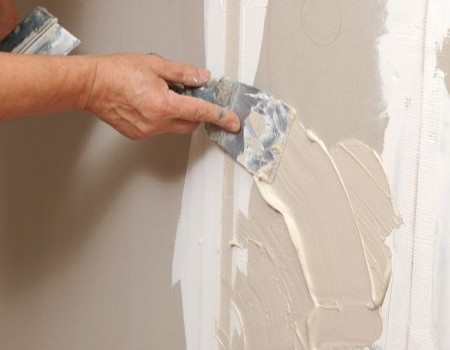
If you want a flawless paint job, start with flat walls. For drywall repair St. Louis homeowners can rely on, Kennedy Painting evaluates the surface first, then plans the finish so the new color looks smooth, even, and durable. Our team inspects walls and ceilings across Central West End, Tower Grove, Maplewood, and Kirkwood to determine whether drywall repair should come before priming and painting, and how that schedule fits your project.
What Causes Cracks And Nail Pops In St. Louis Homes
Walls move a little as seasons change. In St. Louis, hot, humid summers and cold, dry winters make framing expand and contract, which can open seams, lift tape, and push fasteners forward. Older brick homes and 2.5-story houses often mix plaster and drywall; each material responds to temperature and moisture differently, so hairline lines may appear in the same spots year after year.
Not every crack means structural trouble, but every crack will telegraph through fresh paint if it is not repaired first. A careful assessment tells us whether we are looking at a cosmetic surface issue or a sign of movement that needs a different approach before we paint.
Hairline Vs. Structural Crack: How Pros Read The Wall
Hairline cracks are thin, shallow, and usually track along tape joints or outside corners. They often appear above doorways or window corners where the framing flexes. A structural crack is wider, may open and close with seasons, or show misalignment between materials. It can also show up with other clues like sticking doors, diagonal movement through multiple surfaces, or ongoing gaps after past repairs.
In mixed-material homes around Soulard, Benton Park, and Lafayette Square, tiny “crazing” lines in old plaster are common and cosmetic. By contrast, recurring stepped cracks in stair halls or ceilings might signal movement. We document what we find, explain the risk, and plan repairs that set the stage for smooth paint. When needed, we coordinate with other trades so the wall is stable before any finishing begins.
How Pros Decide: Skim Coat Vs. Patch
Surface repairs fall into two broad choices: skim coat vs. patch. A patch addresses a contained problem like a nail pop, a small dent, or a single taped seam. A skim coat treats a larger area so light reads the wall evenly, which matters in long hallways, stairwells, or rooms with big windows where shadows show every ripple.
- Choose a localized patch when the damage is isolated, and the surrounding texture matches well.
- Choose a partial or full skim coat when there are many small flaws, when the texture is inconsistent, or when a high-sheen paint will highlight surface waves.
Homes in University City and Richmond Heights with older textures sometimes need a blend approach: spot patches to fix the worst areas, then a thin skim to feather out transitions. That way, your new color lies down on a uniform surface, and the finish holds up through seasonal changes.
St. Louis humidity can slow curing even when surfaces feel dry to the touch. We measure temperature and relative humidity and schedule repairs so compounds fully cure before priming, which helps prevent flashing and picture-framing around repaired areas.
Drying Times, Scheduling, And Paint Readiness
Drying times depend on the compound used, room temperature, air movement, and humidity. Lightweight spackles can dry in hours, while heavier joint compounds may need longer between applications. Oil-based or specialty primers have their own timelines. We stage the work so each layer cures, sands, and cleans up properly before the next step begins.
- Walkthrough and marking: We map nail pops, seams, corner beads, and stress points.
- Repair sequence: Patches or skim coat are applied, then sanded between coats as needed.
- Curing window: We allow adequate drying times so the surface stops shrinking before primer.
- Prime and check: We use a quality primer to reveal any misses under raking light.
- Final touchups: Tiny fills get addressed so the surface is ready for color.
Hallways and stairwells that catch morning or evening sun can show every imperfection. That is why we use raking light to test the surface, especially in homes near The Hill and Shaw. If we see flashing or shadow lines, we correct them now, not after the final coat. When your schedule is tight, we can plan repairs and painting in phases so that areas of the home remain usable while work progresses.
When you are timing a kitchen or bath update, it helps to book repairs before fixtures and backsplashes go in. If your timeline is flexible, we can also set a faster track in winter with controlled heat and airflow. When it is time to lock dates, our coordinator will confirm the order of repairs, primer, and finish so you know exactly when the walls will be paint-ready. If you would like us to look at a specific room or ceiling, you can start the conversation by reviewing our approach to drywall repair and telling us about your space.
Plaster, Drywall, And Blended Surfaces In Historic Homes
Many St. Louis homes combine original plaster in formal rooms with newer drywall in additions. Plaster is denser and can develop spiderweb patterns or small keys that fail behind the surface. Drywall has paper-faced seams that move at corners and along long runs. Repair techniques and primers are matched to each material, so textures look consistent once painted.
Ceilings over old boiler lines or attic hatches sometimes show stains or tape blisters. We address any underlying moisture source first. Then we align the repair method with the finish you want, whether that is a soft eggshell in a dining room or a scrubbable finish in a mudroom. Lighting, sheen, and wall texture all work together, so the repair plan always considers the final paint.
Lighting, Level-5 Finish, And Why Smooth Matters
Gloss and light reveal everything. In rooms with big south-facing windows, a near-perfect plane can be worth it even if most of the wall only needs spot work. A Level 5 finish, which is a full skim coat followed by primer, creates an ultra-smooth surface for high-sheen paints and accent colors. We recommend it in stair towers, feature walls, or anywhere downlighting grazes the surface.
Fresh paint always follows the flattest possible wall. That simple rule is how we avoid touch-up halos, roller marks around patches, and soft edges that show under sunlight. If you are planning a color change from dark to light, the surface must be even more uniform because lighter colors reflect more light and reveal more texture.
When Cracks Keep Coming Back
Some cracks return with the seasons. In these cases, we may suggest reinforcing methods at stress points, adjusting tape types, or modifying the repair area so movement is spread out and less visible. We track where the home flexes the most, such as over door headers or near stair openings, and plan repairs that balance appearance and durability. Our goal is to minimize future touchups while keeping the surface looking clean for years.
How We Protect Your Home During Repairs
Dust control and cleanliness matter. We isolate work zones, cover floors, and use appropriate filtration while sanding. After each sanding stage, vacuuming and tack-cloth wipes help the primer bond. The result is fewer nibs under paint and a cleaner final finish. This careful process is especially helpful in families with kids and pets who need areas reopened quickly.
Drywall Repair St. Louis Homeowners Can Trust
Whether it is a few nail pops in a South City bedroom or a series of stairwell cracks in Clayton, Kennedy Painting brings a painter’s attention to detail to every repair. We pair skilled wall repair with color and coating knowledge, so your repaint looks smooth from the first coat to the last. If you want to compare options for finishes and sheens after repairs, our team can walk you through them and explain why certain choices resist scuffs, fingerprints, or moisture better in busy rooms.
If you are just starting to plan, you can learn more about our house painting process and how surface prep sets the tone for a great result. From there, we will map your repair plan to your paint goals so the final look is even, crisp, and ready for everyday life.
Why Choose Kennedy Painting Before You Repaint
We schedule around your calendar, communicate clearly, and stand behind our workmanship. Our crews show up on time, protect your space, and deliver the smooth surface your new color deserves. We have served homeowners across West County and the City for years, and we are ready to help you get your walls camera-ready before the first brush hits the wall.
Want walls that make your new paint shine? Call Kennedy Painting at 314-952-0156 to book your pre-paint wall evaluation today.
Prefer to get on the calendar now? Reach out, and we will reserve dates, confirm drying times, and coordinate repairs so painting stays on track.