
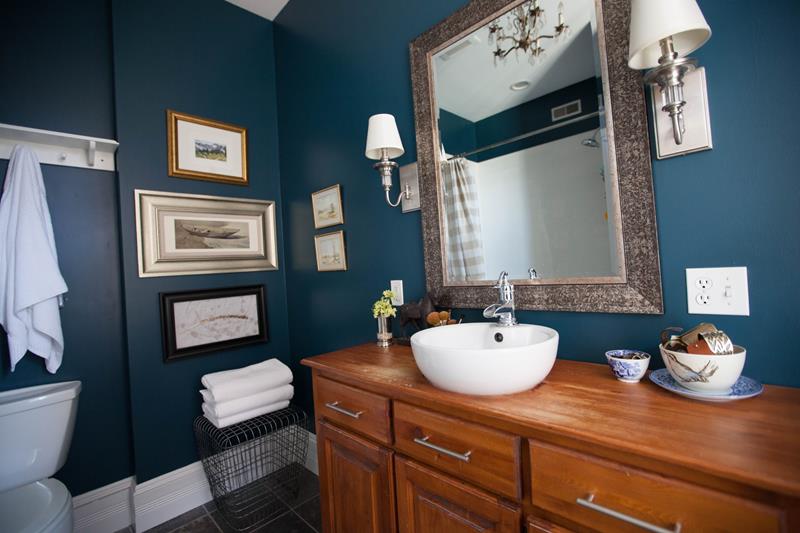
Bathrooms are unique.
They’re typically smaller than many other spaces in the home, but they endure a huge amount of traffic and, therefore, wear and tear. There are also harsh environmental conditions at work, like steam from showers, splashes from kids, and drastic temperature changes, all of which put a strain on paint products.
So, as you plan your next bathroom painting adventure, definitely consider your favorite colors and styles, but don’t just stop there. Do yourself a favor by carefully choosing the best product.
Key Takeaways
- The best bathroom paint combines the right product, proper surface preparation, and a durable finish that can withstand moisture, humidity, and everyday wear.
- Premium 100% acrylic latex paints with satin or semi-gloss finishes and mildew-resistant properties are typically the best choice for most St. Louis bathrooms.
- Professional preparation and application play a major role in how long your bathroom paint lasts, making the quality of the painting contractor just as important as the paint itself.
What Should You Consider As You Choose Your Bathroom Paint? 5 Factors
Prep Work
Even the best bathroom paint won’t perform the way it’s supposed to if the surface isn’t prepared correctly. Bathrooms deal with constant humidity, steam, soap residue, and everyday grime. Those contaminants make it harder for new paint to adhere to walls properly. And when that happens, the paint may peel or blister.
That is why, before any paint goes on the walls, it’s time to prep. That means cleaning walls (and repairing them if needed), as well as priming the surface when the situation calls for it. Taking the time to complete these steps creates a smoother surface that helps the paint bond properly and stand up to the moisture a bathroom experiences every day.
At Kennedy Painting, we never treat prep work as an afterthought. We know that lasting results start long before the first coat of paint goes on, which is why we take the time to prepare every surface the right way. A little extra attention during the preparation stage helps your bathroom look better and keeps your paint job looking fresh for years to come.
Color
Choosing the right bathroom paint color is about more than finding a shade you like. The right color can make the room feel larger, brighter, warmer, or more relaxing while complementing your lighting, fixtures, and finishes.
- Small bathrooms: For smaller bathrooms, lighter colors are your best friend. Soft whites, warm grays, pale blues, light greens — these colors open the space, making it feel airy by reflecting light. Pairing these colors with well-placed mirrors can enhance that effect even more.
- Larger bathrooms: Larger spaces give you more flexibility to incorporate darker or bolder colors as accent walls or throughout the space without making the room feel closed in.
It’s also worth thinking about how the color will look throughout the day. Bathrooms with little or no natural light often benefit from warm neutrals or lighter shades that prevent the room from feeling dark or cramped.
Want to learn more? Take a look at these tips for choosing a product that best suits a smaller space.
Sheen/Finish
A paint’s sheen can lie anywhere on the spectrum between flat and high-gloss. Flat (matte) absorbs light and is not as durable. Meanwhile, glossy paint is reflective and tough, although it can be less forgiving of surface imperfections.
So, should bathroom paint be gloss or satin (or something else)?
In our professional opinion at Kennedy Painting, we believe that higher-gloss paint is better for the humid conditions of a bathroom. Even though higher-gloss interior paint can be trickier to work with, its durable nature makes it a good candidate for a bathroom space. If you’re not a fan of high-gloss paint, semi-gloss paint can sometimes be an acceptable compromise.
Mildew Resistance
Bathrooms are exposed to more moisture than almost any other room in the house. Daily showers, baths, and limited airflow can create the damp conditions where mold and mildew are more likely to develop. Choosing a paint designed for high-moisture environments can help protect your walls and keep your bathroom looking cleaner for longer. (Of course, while mildew-resistant paint is an excellent line of defense, it works best when combined with proper bathroom ventilation.)
When comparing products, you may see terms such as:
- Anti-microbial
- Mildewcides
- Mildew-resistant or mildew-proof
- Moisture-repellent acrylic resin
- Moisture-blocking
- Pre-catalyzed waterborne epoxy
Keep in mind that these terms don’t all mean the same thing, and some products offer greater moisture protection than others. If you’re unsure which paint is best for your bathroom, a professional painter can recommend a product based on the room’s size and ventilation.
Cure Time
Make sure your bathroom paint has dried and cured thoroughly before you take a shower.
This statement might sound simplistic. After all, who would shower in a room with wet paint, right? What many homeowners don’t realize, however, is that the paint needs to fully cure before it’s ready to withstand elevated moisture levels. While paint in a typical living space is ready for action in short order, it’s best to let your bathroom stand for several days before it’s considered ready for its first day on the job.
Paint cure time is dependent on numerous factors, so be sure to ask your bathroom painter for their specific insight into curing time based on your space and products.
What’s the Best Type of Paint for My Bathroom?
St. Louis-area bathrooms have to stand up to harsh seasons that can affect indoor temperature and humidity. That combination means your bathroom paint needs not just to look good, but hold up over time.
For most St. Louis bathrooms, we recommend a premium 100% acrylic latex paint that is specifically formulated for bathrooms and other high-moisture spaces. These products resist mildew growth and stand up well to regular cleaning. In terms of sheen, satin and semi-gloss provide better moisture resistance than flat finishes while remaining easy to wipe down.
Choosing the Right Painting Company for Your Home
The type of paint you choose matters, but so does the team applying it. Even the highest-quality paint won’t deliver lasting results if the surfaces aren’t prepared correctly or the product isn’t applied properly.
At Kennedy Painting, we’ve helped St. Louis homeowners refresh their bathrooms since 1998. Our full-time painters take the time to properly prepare surfaces, recommend products that make sense for your home, and complete every project with the attention to detail that helps your paint job last. If you’re ready to update your bathroom, we’d be happy to help you choose the right paint and handle the project from start to finish.
FAQs
Which paint brands does Kennedy Painting prefer?
Premium flat paint, like Sherwin-Williams Duration Home or Emerald, provides more durability than more economical flat paints commonly used in new home construction. Our go-to paint vendor is Sherwin-Williams.
What types of paint does Kennedy Painting use for bathrooms?
The kind of paint we use primarily depends on location and the material being painted. For example, we predominantly use latex-based paints for interior and exterior painting projects. For woodwork, we use Sherwin-Williams Emerald waterborne urethane. As far as primers go, we prefer oil-based and shellac-based primers on raw wood to better seal the grains, protect against staining, and provide better long-term adhesion.
Which paint finish is best for my bathroom?
The answer to this question depends on the traffic the bathroom sees and whether the paint is going on a wall or trim:
- Matte and eggshell finishes provide a fantastic blend between satin finish and flat finish. While they are more reflective than a flat paint, they still do a good job of masking imperfections in the surfaces being painted. At the same time, the more reflective finish provides additional durability if you need to wipe down your walls or clean off your siding. These finishes are by far the most popular for wall painting due to their blend of durability and their ability to hide imperfections.
- Satin finishes are common for bathroom walls and other high-use, high-traffic areas like kitchens and hallways. The shinier sheen provides added durability and is much easier to wipe clean if you have pasta sauce or toothpaste to clean off your walls. The downside to satin finishes is the fact that they are much more unforgiving when it comes to hiding imperfections in the surfaces being painted. Due to their reflective nature (as light reflects off these surfaces), uneven or bowed walls become more apparent, and 100 years of paint jobs and repairs can be seen more clearly.
- Semi-gloss finishes are common for trim and woodwork. Using them on walls will provide even more durability, and the increased sheen can provide a nice aesthetic contrast to more muted sheens like matte or eggshell. However, their highly reflective finish can be overbearing for many homeowners when used for large walls.
Premium flat paint, like Sherwin-Williams Duration Home or Emerald, provides more durability than more economical flat paints commonly used in new home construction. Our go-to paint vendor is Sherwin-Williams.
The kind of paint we use primarily depends on location and the material being painted. For example, we predominantly use latex-based paints for interior and exterior painting projects. For woodwork, we use Sherwin-Williams Emerald waterborne urethane. As far as primers go, we prefer oil-based and shellac-based primers on raw wood to better seal the grains, protect against staining, and provide better long-term adhesion.
The answer to this question depends on the traffic the bathroom sees and whether the paint is going on a wall or trim:
- Matte and eggshell finishes provide a fantastic blend between satin finish and flat finish. While they are more reflective than a flat paint, they still do a good job of masking imperfections in the surfaces being painted. At the same time, the more reflective finish provides additional durability if you need to wipe down your walls or clean off your siding. These finishes are by far the most popular for wall painting due to their blend of durability and their ability to hide imperfections.
- Satin finishes are common for bathroom walls and other high-use, high-traffic areas like kitchens and hallways. The shinier sheen provides added durability and is much easier to wipe clean if you have pasta sauce or toothpaste to clean off your walls. The downside to satin finishes is the fact that they are much more unforgiving when it comes to hiding imperfections in the surfaces being painted. Due to their reflective nature (as light reflects off these surfaces), uneven or bowed walls become more apparent, and 100 years of paint jobs and repairs can be seen more clearly.
- Semi-gloss finishes are common for trim and woodwork. Using them on walls will provide even more durability, and the increased sheen can provide a nice aesthetic contrast to more muted sheens like matte or eggshell. However, their highly reflective finish can be overbearing for many homeowners when used for large walls.